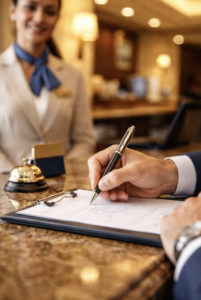
Hotel Electrical Upgrades: Why the MBK200A Could Be the Breaker That Saves the Day

Hotel News for MBK200A

Hotels are built on comfort, convenience, and consistency. Guests may notice the lobby design, the room layout, the lighting, the Wi-Fi speed, the elevator ride, the air conditioning, the restaurant, and the check-in experience, but behind all of that is one system that quietly supports nearly every part of the property: the electrical system. When it works, nobody talks about it. When it fails, everyone notices.

Modern hotel upgrades are no longer limited to paint, flooring, furniture, and new signage. Today’s hotel improvement projects often include smarter lighting, improved HVAC controls, upgraded security systems, EV charging stations, high-speed internet infrastructure, energy-efficient appliances, digital access systems, commercial laundry equipment, and better backup power planning. These upgrades can improve guest satisfaction and operational efficiency, but they can also increase demand on electrical panels, breakers, and distribution equipment.

That is why a part like the MBK200A can matter more than many hotel owners, property managers, and facility teams realize. A circuit breaker may not be the most exciting item on a renovation checklist, but the right electrical component can help keep major improvements moving, prevent unnecessary downtime, and support safer power distribution throughout the property.

Hotel Upgrades Are Becoming More Electrical Than Ever

Hotel upgrades used to be heavily focused on cosmetic improvements. New bedding, updated bathrooms, fresh paint, and modern furniture could make a property feel refreshed. Those updates still matter, but the hospitality industry has moved into a new era where guest expectations are tied directly to technology, energy use, comfort, and convenience.

According to Hotel Technology News, hotels are increasingly shaped by technology innovation, including smarter operations, improved guest experiences, and more connected systems. That shift means more equipment, more controls, more devices, and more pressure on the infrastructure behind the walls.

A modern hotel room may include smart thermostats, USB outlets, occupancy sensors, digital locks, energy-saving lighting, Wi-Fi access points, mini refrigerators, larger televisions, and electronic shades. Common areas may include upgraded lighting systems, security cameras, digital signage, access control, point-of-sale systems, and conference room technology. Back-of-house areas may include commercial laundry equipment, kitchen appliances, maintenance tools, server equipment, pumps, and mechanical systems.

All of those upgrades may sound like separate projects, but they share one thing in common. They depend on reliable electrical distribution. When a hotel invests in guest-facing improvements without reviewing the electrical system that supports them, the property can run into limits that create delays, failures, or costly rework.

Why Electrical Planning Matters in Hotel Renovation Projects

A hotel renovation is usually a race against time. Rooms out of service mean lost revenue. A lobby under construction can affect first impressions. A closed conference room can cancel bookings. A restaurant, laundry room, or mechanical area with electrical problems can create operational headaches across the property.

That is why electrical planning should be part of the early upgrade conversation. Before adding new equipment or expanding system capacity, property owners should work with licensed electrical professionals to review panels, load requirements, breaker compatibility, local code requirements, and future demand.

The National Fire Protection Association provides widely recognized electrical safety resources, including information connected to electrical safety, NFPA 70E, and the National Electrical Code. For hotels, this matters because electrical work is not simply about getting power from one place to another. It is about doing it safely, correctly, and in a way that supports the property’s current and future use.

A breaker replacement or panel-related upgrade should never be treated like a guess. The correct breaker type, rating, panel compatibility, and installation method matter. A hotel may have different electrical needs across guest rooms, service areas, exterior systems, elevators, kitchens, laundry areas, and mechanical rooms. Using the wrong component can create safety concerns, inspection problems, nuisance trips, or equipment damage.

For hotel owners and managers, the lesson is simple. The visible upgrade may be the new lighting, the renovated rooms, or the upgraded guest technology. The hidden upgrade may be the electrical work that makes those improvements dependable.

Where the MBK200A Fits Into the Conversation

The MBK200A is a Siemens circuit breaker component commonly searched by buyers who already have a specific part number, replacement need, panel schedule, or project requirement. In hotel upgrade situations, that specificity matters. Facility teams and contractors are often not looking for a random breaker. They are looking for the right breaker that matches the equipment already installed or the system being upgraded.

A 200-amp breaker can be associated with larger electrical loads, feeder applications, service equipment, subpanels, or compatible distribution equipment. In the context of hotel electrical work, that could relate to a property improvement project where the electrical contractor has identified the exact part needed for a compatible Siemens setup.

The key point is not that every hotel needs this specific breaker. The key point is that hotels need the correct electrical parts for the correct applications. If an electrical contractor determines that the MBK200A is the required component for a specific panel or upgrade, having access to the correct part can help keep the project moving.

This is especially important in hospitality because delays can be expensive. A missing electrical component can hold up a room renovation, delay equipment startup, slow down inspections, or keep part of the property offline. A breaker may be physically small compared to a hotel wing, commercial kitchen, or lobby renovation, but one missing part can stop a much larger project from being completed.

Energy Efficiency Upgrades Depend on Strong Electrical Infrastructure

Many hotel upgrades are now tied to energy efficiency. Properties are replacing older lighting, improving HVAC performance, adding controls, reducing waste, and looking for ways to lower utility costs. The ENERGY STAR lodging resources provide guidance for hotels, motels, and inns looking to save energy and improve building performance.

Energy upgrades can be excellent investments, but they still need electrical support. LED lighting projects, occupancy sensors, energy management systems, upgraded HVAC controls, and new mechanical equipment all connect back to power distribution in some way. Even when an upgrade reduces energy consumption overall, the installation may still require panel evaluations, breaker changes, dedicated circuits, or updated electrical layouts.

Hotel owners sometimes focus on the savings side of an energy project without giving enough attention to the infrastructure side. A lighting retrofit may sound simple until the property discovers outdated panels, mislabeled circuits, overloaded equipment, or parts that are difficult to source. A smart thermostat project may look easy until wiring, control systems, and electrical compatibility slow down the rollout.

That is why electrical components deserve attention during hotel improvement planning. A property that wants better efficiency should also want dependable electrical organization. Clean planning, accurate part selection, and professional installation can make the difference between a smooth upgrade and a project full of delays.

Hotel Technology Upgrades Increase the Need for Reliable Power

Hotel technology is no longer a luxury. It is part of the guest experience. Online booking, digital check-in, keyless room entry, Wi-Fi, streaming, conference technology, security systems, payment systems, and property management software all depend on reliable power and connectivity.

Industry publications like Hospitality Technology regularly cover how hotels are redefining operations through technology. Those improvements can help properties compete, but they also create more dependence on electrical infrastructure. When a hotel adds more connected systems, power interruptions become more disruptive.

A power issue in a hotel does not only affect lights. It can affect the front desk, room access, internet service, security cameras, fire and life safety support systems, kitchen operations, laundry schedules, and guest comfort. Even a short outage or localized failure can create complaints, refunds, bad reviews, and staff stress.

The MBK200A enters this larger conversation as an example of why exact electrical parts matter. When the panel, load requirement, and system design call for a specific breaker, getting the right component is part of protecting the entire upgrade. Hotels cannot afford to treat electrical reliability as an afterthought when so many guest-facing and staff-facing systems depend on it.

Safety, Compliance, and Guest Confidence All Connect

Hotel guests usually do not think about electrical panels, breaker ratings, or code compliance. They simply expect the property to work. They expect the lights to turn on, the air conditioning to run, the elevator to operate, the door lock to function, and the outlets to power their devices.

Behind that expectation is a responsibility. Hotel owners and operators must maintain properties in a way that supports safety and reliability. Electrical systems should be inspected, maintained, and upgraded by qualified professionals who understand the building, the applicable codes, and the equipment being used.

The broader hospitality industry is also paying closer attention to building systems, sustainability, resilience, and modernization. Hospitality Upgrade covers hotel industry technology headlines and trends, showing how fast the industry is changing. As hotels add more digital and energy-conscious systems, they also need the infrastructure to support them.

Electrical upgrades may not be the headline feature in a hotel marketing campaign, but they can support the improvements that guests actually notice. Better lighting, more comfortable rooms, faster service, stronger security, and fewer maintenance disruptions all rely on dependable systems behind the scenes.

Why the Right Breaker Can Save Time During Hotel Improvements

A hotel renovation schedule often includes multiple contractors, inspectors, vendors, suppliers, and internal staff members. When one part of the project gets delayed, other parts can be affected. If electrical work stalls, finished rooms may not open. If equipment cannot be energized, staff may not be able to test systems. If inspections cannot be completed, the property may lose valuable operating time.

This is where the right breaker can “save the day.” Not because the breaker is glamorous, but because the correct component can prevent a small issue from becoming a major delay. When a contractor needs a specific Siemens breaker for a compatible system, having the correct part available matters.

Hotels are complex buildings. Even smaller properties can have demanding electrical needs across guest rooms, offices, mechanical spaces, exterior lighting, kitchens, elevators, laundry rooms, and common areas. Larger properties may have even more complicated systems, including ballrooms, restaurants, conference centers, pools, spas, and parking areas.

A breaker like the MBK200A may be one part of a much larger electrical plan, but it represents a bigger principle. Successful hotel upgrades require the right details. The visible design matters, but the hidden technical details can determine whether the upgrade actually works as intended.

Hotel Upgrades News Shows a Bigger Industry Pattern

Hotel upgrade news often focuses on technology, sustainability, design, and guest experience. Those topics are important because the hospitality industry is competitive. Properties that modernize can improve comfort, reduce operating costs, and create a better impression for travelers.

Hospitality Net is one source that regularly publishes global hospitality industry news and insights. Across the industry, the pattern is clear. Hotels are investing in smarter systems, better operations, and improved guest experiences. Electrical infrastructure may not always be the featured story, but it supports many of those changes.

Even general hotel history shows how much the industry has changed. The modern hotel has evolved far beyond a place to sleep. Hotels now serve business travelers, vacationers, event guests, remote workers, diners, conference attendees, and long-term guests. With that evolution comes a need for stronger systems, better planning, and more reliable infrastructure.

Every new expectation adds pressure. Guests want more outlets, better climate control, faster internet, safer access, better lighting, and seamless technology. Staff need systems that make operations easier, not harder. Owners need upgrades that improve value without creating constant maintenance problems.

Electrical planning sits underneath all of it.

Choosing Electrical Parts Carefully Protects the Investment

Hotel upgrades can be expensive. A property may spend heavily on guest rooms, lobby improvements, exterior upgrades, signage, flooring, fixtures, technology, and energy systems. Protecting that investment means making sure the infrastructure is ready to support it.

That starts with accurate evaluation. A licensed electrician or electrical contractor should verify the existing equipment, the required breaker type, the amperage rating, the voltage requirements, the panel compatibility, and local code considerations. The goal is not just to install a part. The goal is to install the right part safely and correctly.

For purchasing teams, this also means ordering based on exact part numbers and contractor direction. Substituting parts without approval can create serious problems. A breaker that looks similar may not be compatible. A rating that seems close may not meet the project requirement. A panel that accepts one product may not accept another.

In a hotel environment, mistakes can cost more than money. They can cost time, guest satisfaction, staff confidence, and operational stability. That is why a specific component like the MBK200A should be treated as part of a professional electrical decision, not a casual purchase.

Conclusion

Hotel electrical upgrades are not always visible, but they are essential to the success of modern hospitality improvements. As hotels add smarter technology, energy-efficient systems, better lighting, stronger security, improved guest room features, and more demanding equipment, the electrical infrastructure behind those upgrades becomes more important.

The MBK200A could be the breaker that saves the day when it is the correct Siemens component for a compatible project requirement. It may help keep an electrical upgrade on schedule, support the needs of a renovation, and prevent a small missing part from delaying a larger improvement.

For hotel owners, property managers, facility teams, and contractors, the takeaway is clear. Great hotel upgrades are not only about what guests see. They are also about the systems they never notice because everything works the way it should. Reliable electrical planning, correct part selection, and professional installation can help a hotel protect its investment, improve operations, and deliver the dependable experience guests expect.
The Hidden Reason Louisiana Hotels Are Losing Good Employees — And How Small Business Group Health Insurance Louisiana Can Help 🏨

Hotel News for Small Business Group Health Insurance Louisiana

Running a hotel in Louisiana is not for the faint of heart. Between tourism seasons, staffing shortages, guest expectations, rising operating costs, and the constant pressure to deliver Southern hospitality at a high level, hotel owners and managers have a lot on their plates. From New Orleans boutique hotels and Baton Rouge extended-stay properties to family-owned lodging near Lafayette, Lake Charles, Shreveport, and Louisiana’s coastal destinations, one challenge continues to stand out: keeping good employees.

Most hotel owners already know that hiring is difficult. What many do not realize is that losing employees often has less to do with the job itself and more to do with what employees feel they are missing. Pay matters, but benefits are becoming one of the biggest deciding factors for whether hospitality workers stay, leave, or quietly start looking for another opportunity.

That is why health insurance is no longer just a corporate perk reserved for large hotel chains. For smaller hotels, independent lodging businesses, and hospitality companies across the state, offering quality group health coverage can become a powerful retention tool. In a competitive labor market, Small Business Group Health Insurance Louisiana can help hotels protect their teams, strengthen loyalty, and stand out as employers of choice.

Louisiana Hotels Are Competing for More Than Guests

Louisiana’s hotel industry is closely tied to tourism, conventions, festivals, sporting events, business travel, and the state’s cultural economy. When visitors come to Louisiana, hotels are often the first and last impression they have of the state. Front desk staff, housekeepers, maintenance teams, managers, breakfast attendants, and guest service employees all play a direct role in that experience.

According to the Louisiana Office of Tourism, travel and tourism continue to play a major role in Louisiana’s economy, supporting jobs and generating billions in visitor spending. That matters because hotels do not operate in isolation. When tourism grows, hotel demand grows. When hotel demand grows, the need for dependable employees grows too.

The challenge is that hotels are not only competing with other hotels for workers. They are competing with restaurants, casinos, retail employers, healthcare facilities, warehouses, gig work, remote work, and national companies that may offer stronger benefit packages. For a hotel employee comparing opportunities, hourly pay is only one piece of the decision. Health insurance, stability, paid time off, scheduling, management culture, and career growth all factor into whether someone stays.

In hospitality, losing one dependable employee can create a ripple effect. One missing housekeeper can delay room readiness. One open front desk position can stretch managers thin. One experienced maintenance worker leaving can lead to slower repairs and frustrated guests. The cost of turnover is not just the cost of hiring a replacement. It is the lost productivity, training time, morale damage, and guest experience issues that happen along the way.

The Hidden Reason Good Hotel Employees Leave

When employees leave a hotel, the obvious explanations are usually pay, scheduling, stress, or a better opportunity somewhere else. Those reasons are real, but they often sit on top of a deeper issue: employees do not see a long-term future with the company.

A housekeeper may enjoy the team but leave because her family needs health coverage. A front desk associate may like the property but accept a job elsewhere because the benefits are stronger. A maintenance worker may be loyal for years but eventually move to a larger employer that offers medical insurance and more financial security. These are not always dramatic exits. Many times, good employees leave quietly because they feel they have no other choice.

The hotel business depends heavily on human connection. Guests may book because of location or price, but they remember people. They remember the employee who helped solve a problem, gave directions, made check-in easy, cleaned the room well, or made them feel welcome. When good employees leave, the hotel loses more than labor. It loses experience, consistency, and trust.

Benefits help employees believe their employer is invested in them. Health insurance can communicate something powerful: “You matter here.” For small and mid-sized Louisiana hotels, that message can make a major difference.

Why Benefits Matter So Much in Hospitality

Hospitality workers often work on their feet, handle demanding guests, manage physical tasks, deal with unpredictable schedules, and serve during high-pressure travel seasons. Many hotel employees have families, dependents, medical needs, prescriptions, and routine care expenses. Without health insurance, even basic healthcare can feel overwhelming.

When an employee has access to group health insurance, it can reduce stress and improve stability. Employees who feel more secure are often more focused, more loyal, and more likely to stay with an employer that treats them well. This does not mean benefits solve every workforce problem, but they can become a major part of a stronger retention strategy.

The American Hotel & Lodging Association has highlighted the economic impact of the hotel industry in New Orleans, including the number of Louisiana jobs supported by hotel activity. That kind of impact shows how important hotel workers are to the larger economy. It also shows why hotels need to think strategically about employee retention instead of reacting only after people leave.

For many hotels, the question is no longer whether benefits are nice to have. The question is whether the hotel can afford not to offer them when competitors are using benefits to attract better workers.

Small Hotels Can Look More Competitive With the Right Coverage

Some hotel owners assume group health insurance is only realistic for large brands or major management companies. That assumption can cause smaller properties to fall behind. In reality, small business group health options can often be structured around the size, budget, and needs of the business.

This is especially important for independent hotels, locally owned lodging businesses, small hotel groups, bed-and-breakfast operations with employees, and hospitality companies that want to look more professional to applicants. A strong benefits package can help a smaller hotel compete with larger employers without necessarily trying to match them dollar for dollar in wages.

Employees often look at the whole picture. A job that pays slightly more but offers no benefits may not be as attractive as a job that offers stability, health coverage, and a better workplace culture. For hotels that cannot always raise wages aggressively, benefits can help close the gap.

The Louisiana Hotel & Lodging Association has long represented the hotel industry in the state, which reflects how important lodging businesses are to Louisiana’s broader hospitality network. Hotels that want to remain competitive should not only pay attention to occupancy, rates, and guest reviews. They should also pay attention to how they are positioned as employers.

Employee Retention Directly Affects Guest Experience

A hotel can have beautiful rooms, a great location, and attractive online photos, but if the staff is constantly changing, the guest experience suffers. New employees need training. New managers need time to learn systems. New housekeepers need time to understand property standards. New front desk employees need time to handle guest issues confidently.

High turnover makes consistency harder. It can lead to missed details, slower service, lower morale, and more pressure on the employees who remain. Over time, that can affect online reviews, repeat bookings, and the hotel’s reputation.

This matters even more in Louisiana, where visitors often expect warmth, friendliness, and a memorable hospitality experience. Travelers coming for Mardi Gras, festivals, conventions, food, music, weddings, family trips, and business events expect service that matches the spirit of the state. The hospitality experience depends on employees who know the property, understand the guests, and care about doing the job well.

New Orleans & Company regularly highlights hotel development, events, and visitor momentum through resources like What’s New in New Orleans. When tourism demand is strong, hotels need strong teams ready to serve that demand. A benefits strategy can help keep those teams in place.

Health Insurance Can Help Reduce Hiring Pressure

Every hotel manager knows the frustration of being short-staffed. It can mean managers covering front desk shifts, rooms taking longer to clean, maintenance issues getting delayed, and current employees feeling burned out. Hiring new people is important, but keeping good people is often more profitable.

Health insurance can support retention because it gives employees a reason to stay beyond the next paycheck. It can make employees think twice before leaving for a similar job. It can also help attract applicants who are looking for more than temporary work.

Hotels that offer group health insurance may be able to position themselves as serious employers. This matters when recruiting experienced hospitality workers who already understand hotel operations. A trained employee who knows property management systems, guest service standards, cleaning expectations, and hospitality pace is valuable. Losing that person to a competitor because of benefits can be costly.

The Louisiana Travel Association works to strengthen and promote the state’s travel industry. A strong travel industry depends on strong hospitality employers. When hotels invest in employees, they are also investing in the long-term health of Louisiana tourism.

The Labor Market Has Changed

Years ago, many hospitality employees may have accepted jobs without expecting benefits, especially in smaller properties. That mindset has changed. Workers today are more aware of benefit options, healthcare costs, workplace quality, and long-term security. They compare employers more carefully.

This shift affects hotels of every size. A hotel may have a strong local reputation and still lose applicants if the job offer does not feel competitive. Employees may love hospitality but leave the industry because another field offers better benefits. In some cases, hotel owners may not realize they are losing people before they even apply.

The broader hotel industry is also constantly evolving. Resources like Wikipedia’s overview of hotels show how lodging has developed from basic accommodations into a complex global industry with many service levels, property types, and operating models. In today’s environment, the employee experience has become part of that evolution. Hotels are not just places where guests stay. They are workplaces that must compete for reliable talent.

Group Health Insurance Builds Trust Inside the Business

Trust Flow and authority are often discussed in online marketing, but trust matters inside a business too. Employees trust employers who show consistency, professionalism, and concern for their wellbeing. Offering health insurance can help build that trust.

When employees feel valued, they are more likely to care about the business. They are more likely to show up consistently, speak positively about the workplace, help coworkers, and give guests better service. This does not happen automatically, but benefits can support a healthier workplace culture.

For Louisiana hotels, trust is especially important because hospitality teams often function like families. Employees work weekends, holidays, late nights, early mornings, and peak travel seasons together. They carry the pressure of guest expectations together. When ownership invests in benefits, it can help reinforce the idea that the team is worth protecting.

A Strong Benefits Package Can Improve Recruiting

Job seekers pay attention to the details in a job posting. If one hotel lists only hourly pay and another lists hourly pay plus group health insurance options, the second hotel may immediately look more stable and professional. Even if applicants do not fully understand the plan details at first, the presence of benefits can increase interest.

This is especially helpful for roles where experience matters. Front desk supervisors, housekeeping leads, maintenance managers, sales coordinators, night auditors, and assistant managers are not always easy to replace. These employees often carry institutional knowledge that keeps the property running smoothly.

A hotel that offers health insurance can use that benefit as part of its recruiting message. It can communicate that the business is growing, serious, and committed to keeping good people. In a market where many employers are chasing the same workers, that message matters.

Louisiana Hotels Need Long-Term Workforce Strategies

The hotels that succeed over the long term are usually the ones that think beyond the next busy weekend. They plan for staffing, training, guest satisfaction, maintenance, marketing, and financial stability. Employee benefits should be part of that same long-term strategy.

Short-term fixes may fill a schedule, but they do not always build loyalty. Constant hiring can drain time and money. Burned-out employees can affect service quality. Managers who are always covering gaps have less time to lead. A stronger benefits strategy can help reduce some of that pressure by giving employees more reason to stay.

This is not just about avoiding turnover. It is about building a hotel team that can grow with the business. A dependable team can improve guest satisfaction, protect brand reputation, support better reviews, and make daily operations smoother.

Conclusion

Louisiana hotels are not losing good employees only because of wages, schedules, or competition. Many are losing them because workers are looking for stability, security, and employers who are willing to invest in their future. Health insurance has become one of the clearest ways a hotel can show that commitment.

For small hotels, independent lodging businesses, and hospitality companies across Louisiana, group health insurance can help improve retention, strengthen recruiting, reduce staffing pressure, and support a better guest experience. In an industry built on service, people are the foundation of everything.

Hotels that want loyal employees need to give employees a reason to be loyal. Offering the right health insurance options can be one of the smartest steps a Louisiana hotel takes to protect its team, its reputation, and its future.

How Fixed Operations Training Helps a Hotel Run Smarter

Hotel News for Fixed Operations Training

A hotel can look beautiful, market itself well, and still struggle behind the scenes if its day-to-day operations are inconsistent. Guests may never see the scheduling gaps, missed handoffs, maintenance delays, or uneven service habits that create friction inside the building, but they feel the results of those problems almost immediately. In the broader hospitality industry, the hotels that run best are usually the ones that make routine work more organized, more teachable, and more repeatable. That is where Fixed Operations Training becomes so valuable for a hotel website audience, even if the phrase itself sounds borrowed from another sector.

For a hotel, the idea is simple. The more clearly a team understands the repeatable parts of the operation, the easier it becomes to serve guests well, protect margins, and make better decisions under pressure. Training is not just about onboarding a new front desk agent or showing housekeeping how to complete a checklist. It is about building a smarter operating rhythm across the property so that service, communication, and accountability stay strong even during busy periods, staffing changes, and unexpected issues.

Smarter Hotels Depend on Repeatable Excellence

A hotel runs on systems whether leadership defines them or not. Check-in procedures, room turns, maintenance requests, guest recovery, vendor coordination, inventory control, and interdepartmental communication all happen over and over again. When these processes are left to memory, personal habits, or rushed explanations, performance becomes uneven. One shift handles things one way, another shift handles them differently, and managers spend more time fixing confusion than moving the business forward.

Strong training creates consistency without making service feel cold. It gives staff a shared operating standard so they know what great performance looks like and how to deliver it under real conditions. A smarter hotel is not a hotel where people simply work harder. It is a hotel where people know what matters most, how to respond quickly, and how their role affects the guest experience and the property’s profitability.

This matters because hotel operations are deeply connected. A front desk delay can slow housekeeping communication. A missed maintenance note can create a negative review. Poor coordination between departments can lead to lost time, repeated work, and avoidable frustration. Fixed operations training helps reduce that drag by turning common responsibilities into organized routines that teams can actually follow.

Training Turns Daily Work Into a Competitive Strength

Many hotel leaders think about training as a support function, but the smartest operators treat it as a business function. Training directly affects service delivery, team confidence, labor efficiency, and the guest’s overall impression of the property. When a hotel trains with intention, routine tasks stop feeling like chaos management and start becoming part of a stable operating system.

That makes a major difference in guest-facing areas. Front desk teams become more consistent in handling arrivals, upgrades, special requests, and complaint recovery. Housekeeping teams learn cleaner communication standards and room-readiness expectations. Maintenance teams respond with better prioritization and documentation. Managers spend less time chasing information because more of the operation is running from shared expectations rather than verbal guesswork.

This is also where smarter hotels separate themselves from reactive hotels. A reactive property constantly solves the same problems again and again. A smarter property trains to prevent those problems from repeating. Over time, that changes the entire feel of the workplace. Teams become calmer, handoffs become cleaner, and service becomes more dependable. Guests notice that kind of competence even when they cannot explain exactly why a hotel felt easier, smoother, or more trustworthy.

Technology Only Helps When Teams Know How to Use It Well

Hotels are investing more heavily in technology, data, and AI-driven systems, but tools alone do not create better operations. They only create potential. Training is what turns that potential into real performance. Industry coverage has increasingly highlighted this shift, with American Hotel & Lodging Association, LODGING Magazine, and Skift all reflecting how hotel leaders are paying closer attention to workforce readiness, operational technology, and smarter system adoption across properties.

That trend is important because hotels do not just need more software. They need staff who can use software confidently in real operating conditions. A new PMS workflow, AI-powered reporting layer, guest messaging platform, revenue tool, or maintenance tracking system will not help very much if the team is unsure how to apply it consistently. Recent industry reporting has pointed to that exact reality. Minor Hotels announced plans for a global data and AI platform, Hyatt has been rolling out ChatGPT Enterprise across departments, and AHLA-linked coverage has also emphasized how technology is being used to attract and retain hotel workers. Those developments all point to the same conclusion: operational tools are becoming more advanced, which makes practical training even more important.

For a hotel, smarter training means teaching people how to use technology in the flow of the workday. It means showing a manager how to spot trends in reports, helping the front desk log issues correctly, teaching maintenance to document recurring problems, and making sure department heads can translate data into action. A hotel does not become smarter because it bought modern tools. It becomes smarter because its people know how to use those tools with clarity and purpose.

Better Training Protects Margins and Asset Performance

Hotels operate in a business where small leaks add up quickly. Missed preventive maintenance, poor inventory habits, inconsistent purchasing controls, rushed room inspections, and weak follow-up on service issues all create costs. Some costs show up immediately in labor or repairs. Others show up later in reviews, repeat business, equipment life, and brand reputation.

Fixed operations training helps leadership close those leaks. When teams are trained on repeatable maintenance schedules, inspection routines, escalation procedures, and accountability standards, the property becomes more disciplined. Rooms stay in service more reliably. Engineering issues are logged and resolved with less confusion. Supplies are managed with greater consistency. Managers can spend less time reacting to preventable problems and more time improving the guest experience and supporting revenue goals.

This is one of the most practical reasons a hotel should care about smarter training. It is not only about service polish. It is also about financial discipline. Well-trained teams tend to create fewer avoidable errors, fewer duplicated tasks, and fewer costly breakdowns in communication. That is how operations become smarter in a measurable way.

Cross-Department Communication Gets Stronger

One of the biggest hidden problems in hotel operations is not effort. It is disconnected communication. Departments often work hard while still operating from incomplete information. Housekeeping may not know about a late departure. The front desk may not know a room is truly guest-ready. Engineering may not receive the full context of a maintenance issue. Management may hear about a recurring operational problem only after a guest posts about it.

Training gives teams a common language for communicating the essentials. It teaches what needs to be reported, where it needs to be documented, when it needs to be escalated, and who owns the next step. That sounds simple, but it changes the pace and quality of a hotel’s internal movement. Instead of relying on memory or hallway conversations, teams learn to move information in a way that supports faster decisions and stronger follow-through.

This also helps leadership develop a more stable culture. Staff members tend to feel more confident when expectations are clear and responsibilities are not constantly shifting. Supervisors become more effective when they are coaching from a real standard instead of personal preference. New hires ramp up faster when the property has a defined way of doing things. Smarter hotels do not eliminate pressure. They reduce unnecessary confusion.

A Smarter Hotel Pays Attention to Industry Direction

Training should not exist in a vacuum. The best hotel operators connect internal standards with what is happening across the industry. That is one reason it helps to stay plugged into respected sources of hotel coverage such as Hospitality Net and Hotel News Resource. These kinds of outlets help leadership teams watch changes in operations, labor strategy, guest expectations, safety, revenue practices, and technology adoption so their internal training keeps pace with the market.

That outside awareness matters more than ever. Hotels are balancing guest expectations for convenience with internal pressure around staffing, efficiency, and service quality. The properties that run smarter are usually the ones that keep learning. They do not assume yesterday’s routines are good enough forever. They refine checklists, improve handoffs, update training, and teach managers how to lead with better information.

For hotel websites, that message is especially strong because it speaks to both business logic and guest value. Owners care about efficiency, consistency, and margins. Managers care about team performance and reduced friction. Guests care about a smoother stay. Good operational training supports all three.

Conclusion

A hotel does not run smarter by accident. It runs smarter when leadership takes the repeatable parts of the business seriously enough to train them well. That includes daily workflows, communication standards, maintenance routines, technology use, service recovery, and the many small decisions that shape the guest experience.

Fixed operations training gives a hotel structure where it needs structure and flexibility where it still needs human judgment. It helps teams work with more confidence, helps managers lead with more clarity, and helps the property protect both service quality and profitability. In a business where details matter and consistency drives trust, that kind of training is not a side project. It is one of the clearest ways to build a smarter hotel from the inside out.

Why Hotel Owners May Want to Sell Mineral Rights

Hotel News for How to Sell Mineral Rights

Hotel ownership is already a demanding business. Between staffing, guest experience, property maintenance, insurance, taxes, technology upgrades, brand standards, renovations, and changing travel demand, hotel owners are often managing several major financial decisions at once. For many hotel owners, the property itself is the most obvious asset. The building, the land, the parking lot, the location, and the guest experience all receive attention because they directly affect daily revenue. However, there may be another asset connected to the land that is easy to overlook: mineral rights.

Mineral rights can sometimes be separate from surface ownership, and they may carry financial value even if the hotel owner has no plans to personally drill, lease, or develop the minerals. In certain markets, mineral rights connected to oil, natural gas, coal, gravel, sand, or other subsurface resources can become an opportunity to create liquidity. For hotel owners, that matters because hospitality is a capital-heavy industry. A hotel may be profitable on paper but still need cash for renovations, debt reduction, expansion, technology upgrades, staffing improvements, or brand compliance.

The hospitality industry is broad, complex, and highly competitive. Wikipedia describes the hospitality industry as a service industry category that includes lodging, food and beverage, event planning, tourism, hotels, casinos, restaurants, and related businesses. That variety matters because hotel owners are not only competing with nearby hotels. They are also competing with shifting guest expectations, online booking platforms, short-term rentals, labor pressures, travel trends, and rising operating costs. When a hotel owner has mineral rights that can be sold, it may be worth considering whether that asset could be turned into working capital.

Mineral Rights Can Give Hotel Owners Access to Hidden Value

Many hotel owners focus on visible assets because those are the assets guests interact with every day. A renovated lobby, better mattresses, upgraded bathrooms, improved signage, stronger Wi-Fi, better lighting, modern security systems, and enhanced landscaping can all improve the guest experience. However, mineral rights are not visible. They sit underneath the surface, and because they are not part of daily hotel operations, they may not receive much attention.

That does not mean they have no value. Mineral rights can sometimes be leased, held, inherited, transferred, or sold. Depending on location, geology, market demand, and ownership structure, a hotel owner may be able to receive a lump-sum payment by selling mineral rights. This can be especially attractive when the owner wants capital now instead of waiting for potential royalty income later.

Hotel owners who are considering this path often begin by researching How to Sell Mineral Rights so they can understand the basic steps, risks, documentation, and valuation factors involved. The decision should never be rushed, but it should also not be ignored if the rights could help strengthen the hotel’s financial position.

Hotel Owners Face Rising Costs and Capital Demands

Hotels are not low-maintenance assets. Even a well-run hotel requires ongoing investment. Rooms need updates. HVAC systems age. Roofs wear down. Parking lots need repairs. Elevators require maintenance. Insurance premiums can rise. Staff wages, cleaning supplies, utilities, software systems, and marketing costs all affect profitability.

According to the American Hotel & Lodging Association’s 2026 State of the Industry report, hotel guest spending in 2026 is expected to reach nearly $805 billion, while rising operating expenses continue to pressure hotel profitability. That creates a real challenge for owners. Revenue may be present, but expenses can still limit how much money is available for improvements or growth.

Selling mineral rights may give a hotel owner a way to access capital without taking on another loan, bringing in another investor, or delaying important upgrades. For example, funds from a mineral rights sale might help pay for a property improvement plan, renovate rooms, replace worn furniture, upgrade a breakfast area, improve exterior curb appeal, or add technology guests now expect.

A Sale May Help Fund Hotel Renovations

Renovations are one of the biggest reasons hotel owners may consider selling mineral rights. In hospitality, appearance matters. Guests make fast judgments based on photos, reviews, lobby presentation, cleanliness, lighting, furniture, flooring, bathrooms, bedding, and overall comfort. A property that feels outdated can lose bookings even if the staff is friendly and the location is strong.

A hotel owner may already know which improvements are needed but may not want to finance them through more debt. Selling mineral rights can sometimes provide a cash option that helps the owner move forward with renovations sooner. That can be especially useful for independent hotels, family-owned hotels, boutique properties, extended-stay hotels, motels, and smaller operators that need to compete with larger brands.

Hotel news continues to show how important reinvestment and adaptability are in the hospitality world. Hotel Dive’s 2026 hospitality trends coverage noted that luxury travelers, major eventgoers, rising labor costs, and artificial intelligence are among the forces shaping hotel operations. For owners, this means that the hotel cannot stay still. Properties must keep improving, updating, and adjusting to the market.

Mineral Rights May Help Reduce Debt Pressure

Debt is common in hotel ownership. A property may have a mortgage, renovation loan, equipment financing, franchise-related costs, or lines of credit. When interest rates, taxes, insurance, or operating costs rise, debt can feel heavier. Even a hotel with steady bookings may feel pressure if cash flow is tight.

Selling mineral rights may help reduce that pressure. A lump-sum payment could be used to pay down debt, reduce monthly obligations, improve financial flexibility, or prepare for slower seasons. This can be appealing for hotel owners who want to simplify their financial picture and strengthen the balance sheet.

The decision depends on the value of the mineral rights and the owner’s long-term goals. Some owners may prefer to keep potential future royalty income. Others may decide that immediate cash is more useful than uncertain future payments. For hotel owners, the best choice is often tied to timing. If the property needs urgent upgrades, if debt is limiting growth, or if the owner wants to reposition the hotel, selling may be worth exploring.

Hotel Markets Can Shift Quickly

Hotels are affected by many outside forces. Travel demand, business travel patterns, tourism trends, local events, weather, economic confidence, fuel prices, airline access, convention schedules, and regional development can all affect occupancy. Because of this, hotel owners often need access to capital before problems become too large.

CoStar’s STR hotel data is widely followed in the hospitality industry, and its hotel press releases and market updates regularly report on occupancy, average daily rate, and revenue per available room. These metrics matter because they show how quickly hotel performance can change from one period to another. Even small shifts in occupancy or room rate can affect cash flow, especially for properties with high fixed costs.

If a hotel owner has mineral rights, selling them may provide a financial cushion. That cushion could help the owner respond to seasonal dips, invest during a slower period, or prepare for a market opportunity. In hospitality, being able to act quickly can make a major difference.

Selling Mineral Rights May Support Technology Improvements

Technology has become a major part of hotel operations. Guests expect easy booking, mobile-friendly websites, fast Wi-Fi, digital communication, secure payment systems, smart room features, and convenient check-in options. Behind the scenes, hotel owners may also need better property management systems, revenue management tools, cybersecurity protection, guest messaging platforms, accounting software, and marketing automation.

The PwC 2026 hospitality industry outlook points to artificial intelligence, travel trends, and luxury growth as important forces shaping hotel performance and guest experience. That matters because technology is no longer just a back-office tool. It affects revenue, reviews, guest satisfaction, labor efficiency, and long-term competitiveness.

A mineral rights sale could help fund these upgrades. For some hotel owners, technology improvements may not feel as urgent as roof repairs or room renovations, but they can still have a direct impact on bookings and profitability. A better website, stronger digital marketing, better data tracking, and improved guest communication can help a hotel compete more effectively.

A Sale Can Help Owners Focus on the Main Business

Owning mineral rights can create questions, paperwork, offers, leases, negotiations, tax considerations, and long-term uncertainty. Some hotel owners may not want to manage that side of ownership. They may prefer to focus on guests, operations, staff, marketing, and property performance.

Selling mineral rights can simplify ownership. Instead of tracking royalty possibilities or wondering whether future development may happen, the owner may choose to convert the rights into cash and put that money toward the hotel. This can be especially attractive if the mineral rights are not central to the owner’s long-term plan.

Hotel owners are already responsible for a wide range of duties. Wikipedia’s overview of a hotel manager includes responsibilities such as staff management, business management, facility upkeep, guest satisfaction, marketing, sales, revenue management, accounting, and purchasing. While ownership and management are not always the same role, the point is clear: hospitality already requires focus. Selling mineral rights may help reduce distractions and strengthen the core business.

Hotel Owners May Want Cash for Expansion or Repositioning

Some hotel owners do not want to sell mineral rights because they are struggling. They may want to sell because they are growing. A hotel owner may see an opportunity to acquire another property, add rooms, improve meeting space, build a restaurant concept, upgrade outdoor areas, add extended-stay features, or reposition the hotel toward a higher-value guest segment.

In that case, mineral rights can become a funding tool. Instead of waiting years for possible royalty income, the owner may use a sale to support a clear business move. The funds could become part of a larger strategy to increase revenue, improve market position, and create stronger long-term value.

The hospitality industry continues to evolve around guest expectations, events, technology, and experience-driven travel. Hospitality Net’s 2026 hospitality outlook coverage discusses forces such as AI automation, economic polarization, luxury demand, and authentic local experiences. Hotel owners who want to stay competitive may need to invest before the market forces them to.

Mineral Rights Should Be Evaluated Carefully

Selling mineral rights can be useful, but it is not a decision to make casually. Hotel owners should understand what they own, whether the rights are producing income, whether there are existing leases, what the local market looks like, what buyers may be willing to pay, and how the sale may affect future income potential.

Valuation can depend on many factors, including location, production history, nearby drilling activity, commodity prices, title clarity, lease terms, and buyer demand. A hotel owner should also consider tax implications and whether selling all rights or only part of the rights makes more sense.

Authority, documentation, and professional guidance matter. This is not the same as selling old furniture or replacing a vendor contract. Mineral rights are a real property interest, and the details can have long-term consequences. A careful review can help the owner avoid accepting a low offer, misunderstanding ownership, or giving up future value without a clear reason.

The Right Decision Depends on the Hotel Owner’s Goals

There is no single answer for every hotel owner. One owner may sell mineral rights to renovate rooms. Another may sell to reduce debt. Another may use the funds for technology, marketing, expansion, or brand improvements. Another may keep the rights because future royalties appear more valuable than a current offer.

The most important question is whether the mineral rights support the owner’s bigger business plan. If the hotel needs capital, if the rights are not part of the owner’s long-term strategy, or if the owner wants to reduce financial pressure, selling may make sense. If the mineral rights are producing strong income or are expected to become more valuable, holding them may be the better choice.

Hotel owners make decisions every day that balance risk, timing, cash flow, and long-term value. Mineral rights should be viewed through that same lens. The goal is not simply to sell. The goal is to make a smart decision that supports the hotel, the owner, and the future of the property.

Conclusion

Hotel owners may want to sell mineral rights because those rights can represent hidden value connected to the land. In an industry where renovations, technology, staffing, debt, guest expectations, and operating costs all require capital, selling mineral rights may provide useful financial flexibility.

For some owners, the sale may help fund upgrades that improve guest satisfaction and reviews. For others, it may reduce debt, support expansion, improve cash flow, or simplify ownership. The best decision depends on the value of the rights, the hotel’s needs, and the owner’s long-term goals.

A hotel property is more than a building with rooms. It is a business asset that must keep adapting to stay competitive. If mineral rights are available, hotel owners may benefit from evaluating whether those rights should remain in the background or be converted into capital that helps the hotel move forward.

Why Hotels Need Forensic Accounting Near Me When the Numbers Don’t Add Up

Hotel News for forensic accounting near me

Hotels run on numbers. Room revenue, occupancy, food and beverage sales, labor costs, vendor invoices, franchise fees, maintenance expenses, taxes, insurance claims, payroll, and guest deposits all move through the business every day. When those numbers are clean and accurate, hotel owners and managers can make strong decisions with confidence. When the numbers stop making sense, the entire operation can feel uncertain.

That is why many hotel owners, operators, investors, and management teams eventually look for forensic accounting near me when something inside the financial picture does not add up. Forensic accounting is not just about finding fraud. It is about uncovering the truth behind confusing records, financial disputes, hidden losses, internal errors, insurance questions, business interruptions, and suspicious patterns that may be costing the hotel money.

The hotel industry is constantly changing. Reports from the American Hotel & Lodging Association show how hotels continue to adapt to economic pressure, labor changes, shifting demand, and rising operating costs. In that kind of environment, accurate financial information is not optional. It is the foundation that helps a hotel protect its revenue, its reputation, and its future.

Hotels Have More Moving Financial Parts Than Most Businesses

A hotel is not a simple business with one product and one revenue stream. Even a smaller property may have several layers of income and expense happening at once. Guest room charges, cancellation fees, group bookings, event space rentals, restaurant sales, bar sales, parking revenue, resort fees, convenience store purchases, laundry services, and third-party booking commissions may all affect the final numbers.

On the expense side, hotels deal with housekeeping labor, front desk staffing, maintenance contracts, utility costs, linens, food vendors, beverage suppliers, software subscriptions, franchise requirements, loan payments, insurance premiums, and property taxes. Each of these areas can create financial confusion when records are incomplete, poorly categorized, duplicated, manipulated, or not reviewed closely.

According to CoStar STR hotel data and insights, hotel performance is often measured through key indicators such as occupancy, average daily rate, and revenue per available room. These numbers help owners understand how the property is performing, but they only tell part of the story. A hotel may show decent occupancy while still losing money because of unnecessary costs, vendor overbilling, internal theft, poor controls, or financial mismanagement.

Forensic accounting helps hotel leaders look deeper than basic reports. It reviews the financial trail behind the numbers and helps identify what actually happened.

When Hotel Numbers Do Not Add Up, There Is Usually a Reason

Financial confusion rarely appears out of nowhere. A hotel may notice that cash flow is tighter than expected, profit margins are shrinking, expenses are rising too quickly, payroll does not match staffing levels, or vendor invoices seem higher than usual. Sometimes the issue is a simple accounting mistake. Other times, it may involve deeper concerns that require a trained financial investigation.

Hotels may need forensic accounting support when there are unexplained losses, suspected employee theft, partnership disputes, insurance claim disagreements, inaccurate profit reporting, suspicious vendor relationships, missing records, or concerns about financial statements used in a sale, purchase, loan, or investment decision.

The hospitality industry has also become more complex as technology, online booking platforms, loyalty programs, and revenue management systems play a larger role in daily operations. Hotel Dive has reported on major hospitality trends including technology advancements, labor pressure, and changing demand patterns. These shifts can create opportunity, but they can also create more places for errors, gaps, and financial blind spots to hide.

A forensic accountant knows how to follow the numbers through bank records, ledgers, invoices, contracts, payroll reports, tax documents, point-of-sale records, reservation systems, and management reports. That kind of review can help hotel owners understand whether the problem is operational, accidental, or intentional.

Forensic Accounting Can Help Hotels Protect Revenue

Revenue leakage can quietly drain a hotel. It may not always appear as one dramatic financial loss. Instead, it may show up as small repeated issues that grow over time. A few incorrect invoices, uncollected fees, unauthorized discounts, billing errors, missing deposits, or improperly recorded payments can add up quickly.

Hotels often rely on several systems to track reservations, guest payments, corporate accounts, event bookings, restaurant sales, and vendor expenses. If those systems are not properly reconciled, management may believe the hotel is performing better than it actually is. Forensic accounting helps compare records across systems to identify gaps, missing entries, duplicate payments, unusual adjustments, and inconsistencies.

Revenue protection is especially important as hotel demand shifts. Skift has covered how business travel patterns have changed, including shorter stays and more volatile booking windows. When revenue patterns are less predictable, hotels need stronger financial visibility. A missed issue in the books can become much more serious when the market is already moving quickly.

Forensic accounting gives hotel owners a clearer view of what is coming in, what is going out, and where money may be slipping away.

Hotels May Need Forensic Accounting During Ownership, Partnership, or Management Disputes

Many hotels involve multiple parties. There may be owners, investors, operators, management companies, lenders, franchise groups, developers, family members, or business partners involved in the financial structure. When everyone agrees and the numbers are clear, the arrangement may work smoothly. When trust breaks down, financial records often become the center of the dispute.

A hotel partner may believe profits are being underreported. An investor may question how funds were used. An owner may suspect that a management company failed to control expenses. A buyer may discover financial issues after a purchase. A family-owned hotel may face disagreements during succession, divorce, estate matters, or ownership transitions.

In these situations, forensic accounting can provide a detailed financial review that supports clearer decision-making. The goal is not to create more conflict. The goal is to bring facts into the conversation so the parties can understand the money trail.

The broader hotel industry depends heavily on transparency and performance reporting. Hospitality Net regularly covers hotel performance, lodging company earnings, operations, technology, and industry strategy. For individual hotels, the same principle applies on a smaller scale. Strong decisions require dependable numbers.

Forensic Accounting Supports Insurance Claims and Business Interruption Reviews

Hotels face risks that can interrupt operations quickly. Hurricanes, fires, floods, storm damage, construction defects, cyber incidents, equipment failures, and other emergencies can affect room availability, guest revenue, event bookings, restaurant operations, and staffing. When a hotel files an insurance claim, the financial details matter.

Business interruption claims often require proof of lost income. That may include historical revenue, seasonal patterns, occupancy trends, canceled bookings, operating expenses, payroll changes, repair timelines, and projected financial performance. A standard accounting summary may not be enough when an insurance company questions the amount of loss.

Forensic accounting can help organize and analyze the financial documentation needed to support the claim. It can also help identify whether the claimed loss reflects the true financial impact of the event.

The hotel industry is deeply connected to travel demand, economic conditions, and consumer behavior. Reuters has reported on how travel costs and hotel pricing can affect consumer decisions. When outside conditions already influence bookings, hotels need accurate financial support when a separate event causes additional loss.

Forensic accounting gives the hotel a stronger way to present the numbers clearly.

Fraud and Internal Theft Can Happen Inside Hotel Operations

Hotels handle money in many forms. Guest payments, refunds, cash drawers, deposits, credit card transactions, vendor payments, payroll, gift cards, loyalty rewards, and expense reimbursements may all pass through different people and departments. The more access points a business has, the more important internal controls become.

Fraud in a hotel may involve false invoices, payroll manipulation, unauthorized refunds, stolen cash, inflated expenses, misuse of company credit cards, fake vendors, altered deposits, or improper discounts. It may also involve collusion between employees and outside vendors.

The hospitality world is built on guest service, but the back office must be protected just as carefully as the front desk experience. Even trusted employees can make poor choices when controls are weak and oversight is limited. Forensic accounting helps identify patterns that may not be obvious during normal bookkeeping.

A forensic accountant may review transaction timing, employee access, vendor history, approval records, bank deposits, adjustment logs, and unusual account activity. This type of review can help determine whether the issue was a mistake, poor process, or intentional misconduct.

Hotels Need Clean Financial Records for Growth, Loans, Sales, and Valuation

Hotels often need accurate financial records when applying for loans, refinancing debt, attracting investors, preparing for a sale, purchasing another property, or reviewing franchise opportunities. A hotel’s value is closely tied to its financial performance, and unclear books can weaken trust during major business decisions.

The Wikipedia overview of hotels explains how hotels provide lodging and may include additional services such as restaurants, meeting spaces, and recreational facilities. That variety is part of what makes hotel financial records more layered than many other businesses. A property is not only judged by its physical condition. It is also judged by its revenue streams, operating history, expenses, occupancy, brand position, and future earning potential.

When the financial records are messy, buyers and lenders may hesitate. If numbers are overstated, understated, or difficult to prove, the hotel may lose value or face delays. Forensic accounting can help review records before a major transaction so leadership can address problems early.

A hotel owner who wants to grow needs more than optimism. Growth requires numbers that can be trusted.

Forensic Accounting Helps Hotel Leaders Make Better Decisions

Hotel leadership is already demanding. Owners and managers must think about guests, staff, repairs, reviews, marketing, occupancy, pricing, safety, vendor relationships, brand standards, and long-term planning. Financial uncertainty makes every decision harder.

When numbers are unclear, a hotel may delay important improvements, misjudge staffing needs, misunderstand profitability, underprice rooms, overspend on vendors, or make decisions based on incomplete information. Forensic accounting helps remove some of that uncertainty.

It gives leadership a more accurate view of where the business stands. It can reveal weaknesses in reporting, uncover financial losses, explain unusual trends, and recommend better controls. That does not just help during a dispute or investigation. It can also help the hotel become stronger going forward.

Hotel news and industry reporting continue to show that hospitality is competitive, fast-moving, and sensitive to economic change. Hotels that understand their numbers have a better chance of adapting with confidence.

Conclusion

Hotels depend on trust. Guests trust the property to provide a clean, safe, comfortable stay. Employees trust leadership to run the business responsibly. Owners, lenders, investors, and partners trust the financial reports to reflect what is really happening. When the numbers do not add up, that trust can weaken quickly.

Forensic accounting helps hotels uncover the truth behind confusing financial records, unexplained losses, suspicious activity, insurance disputes, ownership disagreements, and operational concerns. It gives hotel owners and managers a clearer path forward when basic accounting reports are not enough.

In a hotel business, every dollar matters. Clean financial records can protect profits, support growth, strengthen decision-making, and reduce risk. When something feels off in the numbers, the smartest move is to investigate it with care, accuracy, and the right financial support.

The Last Knight of Eden: The Perfect Monster Horror Book for a Hotel Night That Feels Like Another World

Hotel News for monster horror books

Checking into a hotel does something subtle to the mind. The routine is gone. The walls are unfamiliar. The hallway sounds carry differently. Even the silence feels staged—like the building is holding its breath while strangers pass through it. That’s exactly why a monster horror read can hit harder in a hotel than it ever will at home.

The Last Knight of Eden drops you into a modern world with ancient danger underneath it—hidden tunnels, secret orders, awakening relics, and creatures older than memory. It’s built for the kind of reading session where you’re wrapped in crisp sheets, the door is double-locked, and the outside world is reduced to elevator chimes and distant footsteps. In other words: the perfect hotel-night book.

A Hotel Stay Is Already a Controlled Kind of Fear

Hotels are designed to feel safe, but they’re also designed for turnover—temporary lives passing through permanent corridors. That mix creates tension without you even noticing it. You don’t know who stayed in the room before you. You don’t know what’s behind the door across the hall. You hear ice machines, pipes, muffled TV dialogue, a laugh that cuts off too fast.

That “in-between” atmosphere pairs naturally with horror—especially monster horror—because the genre thrives on liminal spaces: thresholds, corridors, basements, and places people pass through without really seeing. It’s not an accident that hotels show up so often in scary storytelling and urban legend culture. A hotel is a real-world setting that already feels like a stage built for suspense, even when nothing is happening.

If you want the grounding definition of what a hotel is—and why it functions as a unique environment for travelers—start with Wikipedia’s overview of hotels.

The Book’s Underground London Setting Matches the “Hidden Floors” Vibe of Hotels

At the heart of The Last Knight of Eden is Ezra Thorne—a troubled teen who disappears into the underground tunnels of London and wakes something ancient beneath the city’s skin. A single spoken name drives a monstrous presence back into the dark, and Ezra is pulled into the Edenic Order, a secret brotherhood guarding the living Word against creatures older than history.

That premise is hotel-perfect because hotels are stacked spaces. They have public layers and private layers. Lobbies and back hallways. Guest floors and service corridors. Laundry rooms. Maintenance doors. “Employees only” sections that make you wonder what’s behind them.

Reading about underground tunnels, sealed forces, and monsters stirring beneath sacred ground while you’re in a building full of unseen infrastructure turns the setting into a quiet amplifier. The book supplies the dread; the hotel supplies the atmosphere.

The Edenic Order Feels Like the Hotel Version of “Staff Only” Doors

One reason The Last Knight of Eden reads so well on a hotel night is its central idea of guarded access. The Edenic Order isn’t just a cool concept—it’s a mechanism: rules, rituals, leaders with competing motives, and a training environment inside stone walls called the Cloister.

Hotels run on a similar psychological logic. There’s always a layer you don’t see: systems, staff movement, locked doors, policies, quiet authority. That doesn’t make hotels sinister—it makes them structured. And structure is what great monster horror uses to build pressure. The monster isn’t scary only because it exists. It’s scary because there are rules about it. Warnings. Histories. People who know more than they say.

If you like keeping your reading aligned with what the hospitality world is paying attention to—guest comfort, in-room usability, the subtle details that shape how you feel in a space—this piece on what goes into a better guestroom experience is a strong companion read: Hotels Magazine on guestroom experience and in-room elements.

Monster Horror Lands Harder When You’re Surrounded by “New” Sounds

At home, your brain filters familiar noise. In a hotel, your brain stays more alert. The ventilation hum is unfamiliar. The hallway footsteps are closer than you expect. The elevator dings come with a tiny shot of curiosity. That heightened awareness makes the monster elements in The Last Knight of Eden feel more immediate—especially when the story leans into presence: something listening, something waiting, something driven back into darkness but not destroyed.

That’s the sweet spot for hotel reading: you’re safe, but your senses are slightly tuned up. Monster horror doesn’t need you to be terrified. It needs you to be available—open to suggestion, receptive to shadows, willing to imagine what you can’t see.

And modern hotels are actively thinking about those sensory details—how rooms feel, how tech and design support comfort without becoming frustrating. This guestroom design perspective connects well to the experience of settling in and reading late: Lodging Magazine on designing guestrooms that “speak hospitality”.

The Book’s “Dangerous Faith” Theme Fits the Hotel Mindset of Reset and Reflection

The Last Knight of Eden frames faith as powerful and perilous—“not gentle—but dangerous”—and treats scripture as something living and spoken, not merely written. That tone works in a hotel because hotels naturally create a pause in normal life. People travel for work, recovery, family events, conferences, transitions, fresh starts. Even a simple overnight stay carries a small emotional reset.

Monster horror with meaning—monsters tied to myth, history, and the consequences of power—feels richer when you’re already in a temporary space, a kind of personal in-between. You’re more likely to read slowly. More likely to sit with the implications. More likely to feel the story rather than speed through it.

Hospitality brands have been leaning into exactly that idea: comfort, control, and connection as travel priorities. For a broader travel-and-hotel trend lens that matches the “hotel night reading ritual” vibe, here’s a useful reference: Hilton’s 2026 Trends Report.

Hotels Are Leaning Into Bookish Experiences, and That Makes This Read Feel Timely

This isn’t just a mood argument. Travel and hotel culture has been nudging toward more curated, experience-forward stays—some of which directly include books and reading as part of the appeal. Expedia’s trend reporting for 2026 explicitly nods to niche getaways, including “book club retreats,” as travel tastes diversify. Expedia Group’s UNPACK ’26 trend release captures that shift.

And hotels have been experimenting with literal literary tie-ins. One standout example is a themed suite built as a replica of a beloved book’s bedroom concept—proof that the “reading at a hotel” experience is something brands are willing to design around. People.com on the “Goodnight Moon” hotel suite at Sheraton Boston is a clear signal that hotels see story-driven stays as a real guest draw.

In that context, reading The Last Knight of Eden in a hotel doesn’t feel like a random pairing. It feels like you’re leaning into what hotels already do best: turning a temporary space into a memorable experience.

Conclusion

A great hotel night has a certain kind of quiet electricity—new surroundings, softened lighting, distant motion beyond the door, and a sense that you’ve stepped outside normal time. The Last Knight of Eden matches that energy with underground dread, secret-keeper tension, and monstrous forces that feel ancient and close.

Ezra Thorne’s plunge into hidden London tunnels, the Edenic Order’s guarded world, and the book’s idea of spoken power create the kind of story that thrives when you’re reading in a place that isn’t yours. Hotels make you a little more alert, a little more imaginative, and a little more ready to believe that something could be waiting just out of sight.

For monster horror books that feel bigger than the room you’re in—while making the room you’re in feel like part of the story—The Last Knight of Eden is the perfect choice.

How The Importance of a Quality Ball Pen in the Hotel Industry Still Matters

Hotel News for Ball Pen

The hotel industry lives and dies by details. Guests may remember the comfort of a mattress, the warmth of a greeting, or the ease of check-in, but behind each of those moments is a long chain of operational habits that quietly shape the entire experience. In a business built on service, presentation, and trust, even the smallest tools matter. One of those tools is the ball pen.

A quality pen may seem minor compared to property systems, staffing, food service, housekeeping, or revenue strategy, but hotels still rely on handwritten moments every day. Front desks take quick notes. Managers sign approvals. Housekeeping updates logs. Maintenance teams mark service records. Banquet staff confirm details. Guests sign forms, jot room numbers, and leave personal notes. In a setting where speed and professionalism must work together, the pen is not just a writing instrument. It is part of the guest experience, part of internal efficiency, and part of brand presentation.

Hotels continue to operate in an environment shaped by rising costs, staffing challenges, and a need to deliver stronger guest experiences with precision and consistency. Industry reporting from the American Hotel & Lodging Association, Hospitality Net, Hotel Management, Hotel News Resource, Skift Hotels, and Wikipedia’s hospitality industry overview reflects how closely hospitality leaders watch operations, margins, guest expectations, and property-level execution. That is exactly why a dependable Ball Pen deserves more respect in the hotel environment.

The Pen Reflects the Standard of the Property

Hotels work hard to create a polished impression. Décor, scent, uniforms, lighting, signage, and desk presentation all send signals to the guest about what kind of establishment they have chosen. A flimsy pen with inconsistent ink flow, cheap plastic, or a scratched exterior quietly undercuts that effort. A quality ball pen supports the visual and functional standard the hotel is trying to project.

This matters at the front desk, in meeting rooms, in executive offices, and in guest-facing amenities. When a guest is handed a good pen to sign a registration card, bill, event order, or welcome document, the interaction feels smoother and more considered. The pen becomes part of the physical expression of the brand. Luxury and upper-upscale properties understand this instinctively, but it also matters for select-service and independent hotels trying to elevate perception. Guests notice when tools feel intentional.

That same principle extends to internal culture. Staff members who are equipped with dependable supplies work with greater confidence and less friction. When leadership cares enough to provide quality basics, it reinforces a standard of professionalism that can influence the broader operating environment. In hospitality, consistency is part of trust, and trust is built through repeated signals.

A Quality Ball Pen Supports Operational Efficiency

Hotels are fast-moving environments. Staff often have only a few seconds to capture important information. A front desk associate may need to write down a room change, guest request, wake-up reminder, transportation note, or billing instruction while balancing a live conversation. A banquet manager may need to confirm timing changes during an event. Engineering may log equipment checks. Housekeeping supervisors may annotate exceptions on room-status sheets. In all of these situations, the pen must work immediately.

A quality ball pen reduces interruptions. It writes on first contact. It produces legible lines. It does not smear easily in normal use. It handles repeated use without skipping. These benefits may sound small, but in a hotel they stack up quickly. When notes are clear, fewer details get lost. When signatures are easy to complete, transactions move faster. When staff do not have to test three pens to find one that works, service feels more seamless.

Hotels are under pressure to operate efficiently as costs remain elevated and staffing challenges continue across the industry. AHLA’s 2026 industry reporting notes both stronger demand expectations and continued pressure from operating expenses, which makes day-to-day execution even more important. Reliable tools help reduce waste, time loss, and preventable frustration.

Guest Confidence Is Built Through Small Physical Touchpoints

Trust in hospitality is not created only by marketing. It is created by what guests see, touch, and experience in real time. A clean counter, organized paperwork, and a pen that works properly all contribute to the feeling that the property is managed well. That matters because hotels are asking guests to trust them with comfort, safety, payment information, schedules, and personal preferences.

A poor pen can create a surprisingly negative moment. It skips while a guest is signing. It leaves blotches on a folio. It feels flimsy in hand. It stops working in the middle of check-in. None of that creates confidence. It introduces friction into a moment that should feel easy. By contrast, a quality ball pen supports a smoother emotional experience. It helps the hotel appear prepared, capable, and attentive.

Hotels spend heavily to improve reputation, reviews, and loyalty. Yet trust is often won or lost in the smallest interactions. A dependable pen does not replace great service, but it supports it. It becomes one of the many details that keep a guest from feeling irritation at a moment when the hotel should be making life easier.

Pens Still Matter in a Digital Hospitality Environment

Technology has changed hospitality, but it has not eliminated the need for physical writing instruments. Check-in systems, digital room keys, property management platforms, and mobile communications are central to modern operations, yet hotels still use pens across countless touchpoints. Consent forms, receipt signatures, event notes, temporary instructions, back-office documentation, training materials, maintenance logs, delivery records, and quick guest-facing communication still happen with pen in hand.

This is especially true during moments when speed matters more than system entry. Staff often write first and update digital records second. In high-volume periods, conventions, wedding weekends, weather events, and maintenance issues, handwritten notes remain practical. That is not outdated. It is operational reality.

Industry coverage continues to show that hotel performance depends on how well properties integrate technology with practical, on-the-ground execution. Skift and Hotel Management both emphasize the ongoing relationship between innovation, efficiency, and guest service in hospitality. A quality pen fits into that framework because it supports the human side of operations where immediate clarity still matters.

Meeting Spaces, Events, and Concierge Desks Benefit from Better Writing Tools

Hotels are not just places to sleep. Many are centers for meetings, conferences, weddings, business travel, dining, and local recommendations. In these areas, pens are used constantly. Event sales teams use them during planning appointments. Conference rooms stock them for attendees. Concierge desks use them for directions, reservations, and local suggestions. Business centers still benefit from having dependable writing tools available.

A poor-quality pen in a boardroom or event folder makes the hotel look careless. A quality pen, especially one that is attractive, weighted well, and dependable, can improve the perceived value of the setting. It can also reinforce the professionalism of the hotel’s event operations. In a market where meeting planners and corporate travelers compare details carefully, every branded touchpoint contributes to perception.

There is also a branding opportunity here. Hotels that invest in better pens for guest rooms, meeting packets, loyalty welcome gifts, or executive suites can turn a simple object into a subtle brand reminder. Guests often keep good pens. That means the hotel’s name, logo, or associated impression can travel beyond the property. A disposable pen gets forgotten. A quality pen can stay in circulation for months.

Quality Supplies Can Support Reputation and Review Culture

In hospitality, reputation has tangible business value. Reviews, referrals, repeat bookings, event business, and corporate relationships all grow more easily when a property is known for being attentive and well-run. Reputation is shaped by major issues like cleanliness and service recovery, but it is also shaped by a hundred smaller details that make a property feel refined rather than rushed.

A quality ball pen fits that pattern. It signals order. It signals care. It signals readiness. None of those are dramatic on their own, but together they reinforce a brand image that guests and partners can trust. When someone describes a hotel as polished, thoughtful, or detail-oriented, that impression usually comes from many minor things done correctly.

That is especially important for independent hotels and boutique properties seeking stronger visibility and authority online. Search visibility, editorial mentions, brand citations, and digital trust often follow real-world professionalism. A business that looks credible offline is more likely to earn credibility online. In that sense, attention to physical standards can support broader brand authority.

Staff Experience Improves When Basic Tools Are Reliable

Hotel leaders often focus on guest satisfaction first, as they should, but employee experience is deeply tied to service quality. Staff members who are constantly dealing with broken basics become less efficient and more frustrated. Pens that leak, run dry too quickly, or fail during guest interactions create needless irritation. That frustration affects rhythm, confidence, and pace.

On the other hand, providing quality everyday tools tells staff that standards apply to the entire operation, not just the parts guests see. It creates a work environment that feels more organized and respectful. In an industry still navigating labor pressure and operational strain, those signals matter. Hotels do not need extravagance in every supply category, but they do benefit from choosing tools that hold up under real use.

A quality ball pen is a low-cost upgrade compared to the value it can deliver in smoother workflows, cleaner presentation, fewer interruptions, and a more professional atmosphere. That is a practical return, not a decorative one.

Why the Right Pen Belongs in Hotel Purchasing Decisions

Hotel purchasing often focuses on high-ticket items, vendor agreements, and line-item savings. That is understandable. Still, some lower-cost items deserve strategic attention because they show up everywhere. Pens are one of those items. They touch operations, branding, guest experience, staff efficiency, and event presentation all at once.

The best purchasing decisions are not always the cheapest. They are the ones that align cost with usefulness, reliability, and perception. A well-made ball pen is inexpensive compared to the friction it can prevent. When hotels choose quality writing instruments, they improve a daily-use item that appears in dozens of moments across the property.

That makes the pen more than a commodity. It becomes part of the service environment.

Conclusion

The importance of a quality ball pen in the hotel industry is easy to underestimate and even easier to prove. Hotels are built on details, and details shape trust. A dependable, attractive pen supports front-desk professionalism, internal efficiency, meeting-space presentation, guest confidence, and everyday brand consistency. It helps employees work faster, helps guests feel more comfortable, and reinforces the image of a property that pays attention.

In an industry where competition is strong and expectations remain high, hotels cannot afford to overlook the small things that influence perception. A quality ball pen is one of those small things. It serves a functional purpose, but it also communicates something bigger. It says the property values reliability, presentation, and care. In hospitality, that message still matters.

Hotels Run on Deliveries, Renovations, and Back-of-House Logistics, and Pallets Are the Hidden Backbone ♻️🏨

Hotel News for Pallet Sales and Recycling

Hotels are nonstop operations. Linens move from dock to laundry and back again. Food and beverage shipments arrive daily. Banquet setups roll in and out by the hour. Guestroom refreshes, furniture swaps, seasonal décor, bulk supplies, and emergency orders all funnel through one pressure point: the receiving area. In the middle of all that motion sits an unglamorous, absolutely essential workhorse that determines speed, cleanliness, safety, and cost control behind the scenes: the pallet.

Pallet sales and recycling is not a “nice-to-have” vendor relationship for a hotel. It is a practical operational need that improves receiving efficiency, reduces waste, strengthens sustainability performance, supports brand standards, and protects staff and guests from avoidable hazards. When a hotel treats pallets like a managed asset instead of random packaging, the entire property runs smoother. 📦

The Receiving Dock Is a Hotel’s Real Control Center

A hotel’s guest experience is built in areas guests never see. When shipments arrive on mixed, broken, or mismatched pallets, every department pays the price. Housekeeping loses time sorting and restacking. Kitchens fight with damaged loads and excess packaging. Engineering gets pulled into preventable cleanup and pest-risk issues. Managers deal with clutter around dumpsters and loading zones.

Reliable pallet sales and recycling creates consistency at the dock. Standard pallet sizes and conditions reduce chaos and make it easier to plan staging areas, organize storage, and keep walkways clear. That translates to fewer delays, fewer injuries, and faster movement of supplies to the teams who need them.

For hotels that handle frequent deliveries, pallet management is a direct operational advantage, not a background detail.

Better Pallets Improve Safety, Cleanliness, and Compliance

Broken boards, protruding nails, splinters, and unstable stacks are common injury triggers in hospitality back-of-house spaces. Pallets that are reused too long or stored improperly become a safety issue, a cleanliness issue, and sometimes a pest issue.

A pallet sales and recycling partner helps keep only usable pallets on-site and removes damaged ones quickly. That reduces trip hazards, protects staff who move loads repeatedly, and supports cleaner loading and trash areas. It also helps hotels maintain a more professional dock environment for vendors, inspectors, and brand audits.

This ties neatly into the broader sustainability and waste-reduction push that hospitality leaders keep emphasizing across the industry. Many hotel publications have highlighted the operational reality that waste handling, recycling programs, and consistent back-of-house systems are now part of modern hotel standards. 🧼♻️
The New Standard for Sustainable Hotel Operations

Pallet Recycling Turns Waste Costs into Predictable Logistics

Hotels generate a steady stream of cardboard, plastic wrap, packaging, and shipping materials. Pallets are the largest and most physically disruptive part of that waste stream. If pallets pile up, the hotel ends up paying for extra hauling, extra labor, and extra headaches.

A recycling program makes pallet removal predictable. Instead of pallets becoming “dock clutter,” they become scheduled pickups or swaps. That means cleaner workflows and fewer last-minute scrambles when dumpsters overflow or loading zones get blocked.

Hospitality sustainability coverage consistently points to recycling and waste reduction as practical hotel operations, not just branding. Recycling is repeatedly framed as a foundational element of a serious sustainability program, especially when it is tied to measurable systems and vendor partnerships.
Full Circle: New Products, Strategies Ramp Up Recycling Efforts

Renovations and Refresh Cycles Create Pallet Surges

Hotels do not just receive consumables. They receive large, high-value, bulky items that arrive on pallets: furniture, mattresses, fixtures, casegoods, flooring, equipment, and event infrastructure. During a refresh, the pallet volume can spike fast. When the property is unprepared, pallets stack up in hallways, trash areas, and service corridors, creating safety and brand-standard issues.

A pallet partner helps hotels plan for these surges with timely pickups, drop-offs, and the right pallet type for the job. That matters during high-pressure project windows where teams are trying to keep disruption low and rooms turning.

Hotel industry reporting has long highlighted waste diversion and recycling as a major cost and efficiency consideration during renovations and upgrades.
Reducing Waste Can Benefit the Environment and Your Bottom Line

Food and Beverage Operations Depend on Stable Pallet Flow

The kitchen is one of the most pallet-dependent areas of a full-service hotel. Bulk deliveries show up on pallets constantly: beverages, canned goods, paper products, banquet supplies, and cleaning products. If the dock is clogged with old pallets, it slows receiving. If pallets are unstable, it increases breakage risk and makes restacking more dangerous.

A pallet recycling routine keeps the dock and staging areas open, so food shipments can move efficiently and safely. This also supports broader waste discipline that hotel sustainability coverage often connects to food service operations, including ongoing attention to the waste stream that comes with banquets and buffet service.
Not Wasting Away: What Can Be Done to Reduce Refuse in Hotels 🍽️

Sustainability Expectations Are Rising, and Procurement Is Part of the Story

Hotels are being judged by how well they run the building, not only by how nice the lobby looks. Owners, brands, corporate accounts, and group business buyers increasingly expect clear sustainability practices. Pallet recycling is a simple, visible operational system that supports those expectations without requiring a major guest-facing overhaul.

Hotel industry news has also emphasized that procurement decisions are being tied more directly to climate and sustainability performance at major brands, pushing teams to prioritize greener suppliers and systems. That kind of pressure makes operational recycling partnerships more valuable, not less.
Accor Links Staff Bonuses to Climate Goals — and Says It’s Paying Off 🌍

A Pallet Program Helps Hotels Measure and Communicate Impact

Sustainability is not only about intention. It is about trackable results. When a hotel has a consistent pallet recycling partner, it becomes easier to estimate diversion volume, reduce landfill contributions, and support internal reporting for ownership groups or brand standards.

Many hotel sustainability initiatives focus on “proof,” including dashboards, reporting tools, and measurable outcomes tied to recycling programs and waste reduction partnerships.
Recycling Partner: Clean the World Introduces Live Impact Dashboard 📊

Pallets Connect to the Broader Hospitality Supply Chain Reality

Hotels sit at the end of a massive supply chain. Pallets are a physical marker of that chain, carrying everything from guest amenities to construction materials. Managing pallets well means managing part of the hotel’s supply chain footprint, dock workflow, and waste stream with discipline.

Even historical hotel industry coverage has pointed out the direct connection between hospitality operations and reuse or recycling efforts tied to shipping materials, including pallets. That is not theory, it is practical building management.
AH&LA Announces Winners of 36th Annual Achievement Awards

Hotels Are Hotels, and Operations Still Decide the Experience

Hotels are defined by service and comfort, but they are powered by logistics. The public-facing experience depends on a stable operational engine that handles constant movement of goods. A hotel is, at its core, a complex service property that relies on coordinated supply delivery and back-of-house systems.
Hotel 🏨

Conclusion ✅

A hotel needs pallet sales and recycling for the same reason it needs reliable laundry flow, consistent deliveries, and clean service corridors. Pallets are not just shipping leftovers. They affect dock efficiency, safety, cleanliness, renovation readiness, kitchen operations, waste costs, and sustainability performance. A structured pallet relationship keeps the back-of-house environment controlled instead of chaotic, which protects staff time and helps the entire property operate with confidence.

When pallets are managed, everything moves faster, looks cleaner, and costs less in the places that matter most. ♻️

Why a Hotel Needs a Right to Appraisal for Its Fleet Vehicles 🚐

Hotel News for Right to Appraisal (RTA)

Hotels are in the business of protecting experience, reputation, and revenue all at once. That responsibility does not stop at the front desk. For many properties, especially airport hotels, resorts, conference hotels, and larger full-service brands, fleet vehicles are part of daily operations. Shuttle vans, courtesy SUVs, maintenance trucks, executive transport vehicles, and service carts all play a role in how guests move, how staff respond, and how the property delivers on its promise. A fleet vehicle is not just an asset sitting in a parking lot. It is part of the hotel’s guest service system, operating budget, and brand presentation.

When one of those vehicles is damaged, stolen, or declared a total loss, the insurance valuation attached to that claim can have a direct effect on the hotel’s cash flow. This is where a Right to Appraisal, often called RTA, becomes important. In general, an appraisal clause gives the policyholder and the insurer a structured way to resolve a dispute over the amount of loss without immediately going to court. The Insurance Information Institute explains that when the parties cannot agree on settlement value, the policy may allow for an independent appraisal process.

A hotel fleet is more important than many owners realize

Many hotels rely on transportation more than they first admit. Airport properties use shuttles to move travelers around the clock. Resorts use vehicles to transport guests, luggage, housekeeping supplies, maintenance teams, and VIP arrivals. Even select-service hotels often use fleet units for sales trips, local business errands, vendor pickups, and inter-property support. The hospitality sector also continues to face cost pressure, according to the AHLA 2026 State of the Industry report, which makes every capital asset and every insurance recovery decision more important. Hotels are being pushed to operate leaner while still delivering a polished guest experience.

Transportation is not a side issue in hospitality. Industry coverage from Hotel Management has noted that hotel-operated shuttle service can give operators more control over guest experience and, in some cases, can be done more economically than outsourcing. Older hospitality reporting from Lodging Magazine also highlighted rising transportation expectations and the growth of electric vehicle adoption within hotel fleets. That means the vehicle itself may be more specialized, more customized, and more expensive to replace than a generic valuation tool suggests.

A damaged fleet vehicle can therefore create more than a repair bill. It can affect pickup times, airport runs, labor efficiency, online reviews, and even guest retention. If a hotel accepts an undervalued insurance settlement, it may not have enough money to replace the vehicle with one of like kind and quality that actually fits the property’s operational needs.

Right to Appraisal helps when the insurance valuation is too low

This is the heart of the issue. Insurance carriers often use valuation systems, market comps, condition adjustments, and depreciation models to decide what a damaged or total-loss vehicle is worth. Those tools are useful, but they do not always reflect the real-world value of a hotel fleet unit. A shuttle van with low mileage, commercial-grade upfits, ADA-related features, branding, upgraded seating, or a documented maintenance history may be worth more than a standard consumer comparison suggests. The same goes for executive transport vehicles used by luxury hotels, where cleanliness, condition, and service expectations matter.

A Right to Appraisal gives the hotel a method to challenge that number. Instead of simply accepting what the carrier offers, the hotel can invoke the appraisal provision if the policy allows it and if the dispute is about value rather than broader coverage issues. The process is designed to focus on the amount of loss. That matters because a hospitality business may not have time for a long legal fight while operations are already disrupted. The appraisal route is often more targeted and more practical than immediate litigation when the core disagreement is valuation.

For a hotel, that can mean the difference between replacing a vehicle properly and settling for less. It can also mean recovering a figure that better reflects the real condition, function, and service role of the vehicle that was lost.

Hotels face rising fleet costs, which makes undervaluation even more damaging

Even one fleet loss can hit harder than it used to. Recent reporting from Automotive Fleet shows that aging vehicles, repair expenses, acquisition costs, and insurance pressures remain major concerns for fleet operators. Separate fleet coverage has also pointed to crash-related costs that can climb quickly, with non-fatal work-related crashes carrying major financial consequences. For a hotel, those costs are not isolated to the body shop invoice. They ripple outward into labor, scheduling, substitute transportation, lost efficiency, and brand impact.

Now consider what happens when the insurer’s number comes in low. The hotel may have to add cash out of pocket to replace a van. It may delay replacement and operate with fewer vehicles. It may rent temporary transportation at inflated rates. It may assign staff to cover gaps that the fleet once handled. In a busy season, that can create service bottlenecks that guests notice immediately.

This is why RTA is not just a legal or insurance concept. It is a business continuity tool. If the valuation is wrong, the damage does not stop with the claim file. It touches the operation itself. In hospitality, where reputation and speed matter every day, that is a serious issue.

Hotel fleet vehicles often have operational value that generic pricing misses

A hotel vehicle is rarely just a commodity. It may be part of a transportation promise promoted on the website, included in an event package, or expected by airline crews, wedding guests, conference attendees, or VIP travelers. In some cases, hotel-owned shuttle fleets are considered part of a property’s marketing and customer outreach, as described in a U.S. Department of Energy Alternative Fuels Data Center document discussing hotel-owned shuttle fleets. That is a strong reminder that these vehicles contribute to revenue and guest perception, not just logistics.

A generic valuation report may overlook branded wraps, seating configuration, safety equipment, cargo setup, commercial usage patterns, and documented service records. It may compare the hotel’s vehicle to inferior local comps or fail to reflect regional market realities. If the hotel recently invested in cleaner transportation or EV-related planning, that gap can grow wider. Hospitality fleet planning sources, including coverage on shuttle fleet management in hospitality, emphasize that hotels are thinking more strategically about electrification, power infrastructure, and long-term fleet investment. A low insurance valuation can therefore undercut not only replacement cost, but also the hotel’s modernization strategy.

That is exactly why a Right to Appraisal matters. It creates room for an independent opinion when the carrier’s number does not reflect the true market value or operational reality of the lost vehicle.

RTA can support stronger financial discipline and smarter risk management

Well-run hotels track labor, occupancy, RevPAR, maintenance, fuel, insurance, and capital expenditures because every line item affects margin. Fleet claims should be viewed the same way. A property that routinely accepts low vehicle settlements may quietly lose significant money over time. That loss does not always show up in one obvious place, but it appears in replacement delays, higher rental use, lower service efficiency, and a slow drain on reserves.

RTA supports discipline because it gives management a process. Instead of reacting emotionally to a low offer or simply signing off to move on, the hotel can review the valuation, compare evidence, gather service records, assess comparable vehicles, and decide whether appraisal is worth invoking. That kind of structure fits how hospitality businesses should manage risk: calmly, with documentation, and with a focus on protecting long-term value.

It also sends the right message internally. Ownership, finance teams, and general managers should understand that fleet assets deserve the same attention as kitchen equipment, building systems, and technology infrastructure. If a hotel would not casually accept an undervalued settlement for a major property loss, it should not casually accept one for a mission-critical vehicle either.

For hotels, RTA is about protecting service, not just winning an argument

Some people hear the phrase Right to Appraisal and think it sounds combative. In reality, for a hotel it is often about preserving normal operations. The goal is not conflict for the sake of conflict. The goal is to make sure the valuation is fair enough to restore the business to where it should be after a covered loss. That is especially important in hospitality because vehicles are visible service tools. Guests feel the impact when they are unavailable, delayed, outdated, or poorly replaced.

A hotel that understands RTA is better positioned to respond after an accident, storm event, theft, or total-loss claim. It can evaluate whether the insurer’s number truly matches the value of the unit that served the property. It can protect replacement planning. It can reduce the odds of absorbing hidden losses. Most importantly, it can keep the transportation side of the guest experience from becoming a weak point.

Conclusion

A hotel needs a Right to Appraisal (RTA) for its fleet vehicles because those vehicles are not minor assets. They support guest movement, staff productivity, brand reputation, and daily operational flow. When a shuttle van, courtesy SUV, or service vehicle is undervalued after a loss, the hotel may face a shortfall that affects much more than the claim itself. RTA provides a structured path to challenge that valuation and push for a fairer number when the dispute is about the amount of loss.

In an industry where transportation can shape reviews, timing, convenience, and service quality, protecting fleet value is smart business. Hotels that understand and use appraisal rights where available are not being difficult. They are protecting continuity, preserving capital, and making sure an insurance claim does not quietly become an operational setback.

The Sound Advantage: Why Hotels Win When They Partner With a Professional Audio Store

Hotel News for Audio Store Near Me

A hotel is judged in seconds. Guests notice the lobby energy, the calm of the corridors, the clarity of announcements, the vibe in the bar, and the way a meeting room “feels” before anyone says a word. Sound is one of the most powerful drivers of that first impression, and it is one of the easiest places for a property to lose points without realizing it. A partnership with a reputable audio store is not about buying speakers. It is about building a consistent, controllable, premium sound experience across the entire property while protecting brand standards, staff time, and revenue.

Hotels across the industry are leaning into experience-driven differentiation and technology investments, and audio is quietly moving from a background utility to a signature element of guest experience and event profitability.

Audio Shapes Guest Experience in Every Space That Matters

Guests spend time in multiple “zones” in a single stay: parking and entry, lobby and lounges, hallways, elevators, fitness areas, pool decks, restaurants, bars, meeting rooms, and guest rooms. Each zone has different needs for volume, clarity, and tone. When those zones are patched together with mismatched gear and improvised settings, the result is inconsistent, and inconsistency reads as lower quality.

A professional audio store helps hotels design a system that matches the property’s identity while respecting acoustics, materials, and traffic patterns. That includes the practical realities that hoteliers live with every day: open-concept lobbies that echo, restaurants that get too loud at peak hours, and conference rooms that need speech clarity more than booming bass. Industry coverage increasingly points to sound and AV as a meaningful part of the modern hotel “sensory layer,” influencing comfort and satisfaction across guestrooms and public spaces.

When the soundscape is intentional, it supports what hotels already sell: rest, ease, and confidence. The lobby feels welcoming instead of chaotic. The restaurant feels energized without forcing guests to shout. The spa feels calmer. The fitness room feels motivating without rattling the ceiling. An audio store partner brings the technical planning and product knowledge needed to make those outcomes repeatable, not accidental.

For broader context on how hospitality is defined as an experience-driven service industry, see Hospitality (Wikipedia).

A Strong Audio Partner Turns Event Space Into a Profit Center

Hotels make meaningful revenue on meetings, conferences, weddings, brand activations, and social events. Audio quality can be the deciding factor between “they will book again” and “they will not risk it.” Poor microphone coverage, feedback squeals, uneven room volume, confusing control panels, and slow troubleshooting can derail an event in minutes.

A capable audio store does more than install equipment. They build an event-ready ecosystem: properly placed speakers, reliable wireless mics, mixing and zoning that staff can actually operate, and clean integration with video and control platforms. Hospitality industry commentary has emphasized modern AV trends, including integrated control and high-quality sound systems that help operators stand out and run multiple experiences from the same infrastructure.

There is also a major operational advantage: a well-designed system reduces dependence on outside AV rentals and minimizes last-minute emergencies. It keeps banquet teams focused on service instead of fighting tech, and it makes event packages easier to standardize and upsell with confidence.

Hotels Are Already Using Sound as Differentiation, and Guests Notice

Hotel news coverage shows properties using sound itself as a headline-worthy experience. Some hotels are building music-forward offerings that become part of the stay narrative, such as curated vinyl libraries and in-room record players. Luxury brands are also formalizing high-end audio partnerships to elevate the guest experience across portfolios, signaling that sound quality is moving into the same strategic category as bedding, lighting, and design.

These stories matter because they reflect a broader truth in hotel news: memorable experiences drive talk value, social sharing, and repeat interest. A local audio store can help a hotel translate that concept into the property’s own identity, whether that means a refined lounge soundtrack, “concert-quality” sound in a signature bar, or consistent in-room audio that matches a premium positioning. One example of industry discussion around hotel and restaurant sound focuses on bringing high-quality systems into hospitality environments while keeping control practical for staff.

For a hotel, the goal is not to chase trends. The goal is to create a signature that fits the brand and location, then deliver it reliably every day.

A Partnership Protects Staff Time With Reliable Support and Maintenance

Hotels do not have the luxury of downtime. If a speaker fails in a breakfast area, the guest experience drops immediately. If a wireless mic cuts out during a corporate keynote, the property’s reputation takes the hit. If a control tablet freezes, staff scramble.

An audio store partner can provide proactive maintenance, fast replacement options, and a consistent support path. That includes routine checks, firmware updates for networked systems, spare equipment strategies, and training for multiple shifts. With the hospitality industry emphasizing technology adoption and operational efficiency, reliable partners matter as much as the hardware itself.

This is where a true partnership outperforms one-time purchasing. The best audio stores become an extension of the hotel’s operational team: they know the property, they know the system history, and they can respond without restarting the entire learning curve every time something changes.

Better Audio Supports Reviews, Brand Standards, and Revenue Consistency

Hotels live and die by perception. A guest might not describe “frequency response” in a review, but they will describe the feeling: restful room, relaxing spa, great bar atmosphere, smooth meeting. Audio is embedded in all of that.

A professionally designed system also supports brand consistency across a portfolio. If a management group runs multiple properties, a standardized partnership approach reduces variation and surprise costs. It also helps hotels make smarter decisions as technology evolves, especially as “smart room” expectations expand and properties add more connected devices that compete for bandwidth and integration attention.

When audio is done right, it can unlock revenue streams that are easy to overlook:

  • More attractive event packages that justify premium pricing

  • Better bar and lounge ambiance that increases dwell time and spend

  • More reliable background music licensing workflows and zone control

  • Improved guest-room entertainment experiences that reduce friction and complaints

For ongoing hotel-industry coverage focused on technology and property operations, see Hospitality Technology (hotel tech news and insights).

For a hotel-focused view of sound as a design and experience asset, see TOPHOTELNEWS coverage discussing hospitality soundscapes and guest experience.

For hotel technology and business trend reporting that often informs operational decisions, see Skift and its hotel technology reporting.

For major brand and portfolio news about hotel partnerships that shape guest experience, see HospitalityNet coverage of hotel brand initiatives, including audio partnerships.

For hotel-industry advocacy and research frequently referenced in hotel news, see the American Hotel & Lodging Association’s 2025 State of the Industry Report.

For a hotel technology snapshot reflecting how properties are upgrading room experiences, see Hotels.com survey coverage via Business Wire.

Conclusion

A hotel’s partnership with an audio store near me is a practical business decision that strengthens guest experience, event profitability, staff efficiency, and brand consistency. Sound touches every space that produces revenue and every moment that shapes a review. With the industry increasingly spotlighting experience-driven differentiation and technology modernization, hotels that treat audio as a strategic asset gain an edge that guests feel immediately and event planners remember.