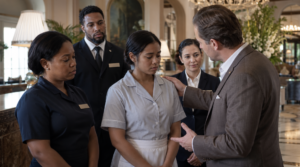
Running a hotel in Louisiana is not for the faint of heart. Between tourism seasons, staffing shortages, guest expectations, rising operating costs, and the constant pressure to deliver Southern hospitality at a high level, hotel owners and managers have a lot on their plates. From New Orleans boutique hotels and Baton Rouge extended-stay properties to family-owned lodging near Lafayette, Lake Charles, Shreveport, and Louisiana’s coastal destinations, one challenge continues to stand out: keeping good employees.
Most hotel owners already know that hiring is difficult. What many do not realize is that losing employees often has less to do with the job itself and more to do with what employees feel they are missing. Pay matters, but benefits are becoming one of the biggest deciding factors for whether hospitality workers stay, leave, or quietly start looking for another opportunity.
That is why health insurance is no longer just a corporate perk reserved for large hotel chains. For smaller hotels, independent lodging businesses, and hospitality companies across the state, offering quality group health coverage can become a powerful retention tool. In a competitive labor market, Small Business Group Health Insurance Louisiana can help hotels protect their teams, strengthen loyalty, and stand out as employers of choice.
Louisiana Hotels Are Competing for More Than Guests
Louisiana’s hotel industry is closely tied to tourism, conventions, festivals, sporting events, business travel, and the state’s cultural economy. When visitors come to Louisiana, hotels are often the first and last impression they have of the state. Front desk staff, housekeepers, maintenance teams, managers, breakfast attendants, and guest service employees all play a direct role in that experience.
According to the Louisiana Office of Tourism, travel and tourism continue to play a major role in Louisiana’s economy, supporting jobs and generating billions in visitor spending. That matters because hotels do not operate in isolation. When tourism grows, hotel demand grows. When hotel demand grows, the need for dependable employees grows too.
The challenge is that hotels are not only competing with other hotels for workers. They are competing with restaurants, casinos, retail employers, healthcare facilities, warehouses, gig work, remote work, and national companies that may offer stronger benefit packages. For a hotel employee comparing opportunities, hourly pay is only one piece of the decision. Health insurance, stability, paid time off, scheduling, management culture, and career growth all factor into whether someone stays.
In hospitality, losing one dependable employee can create a ripple effect. One missing housekeeper can delay room readiness. One open front desk position can stretch managers thin. One experienced maintenance worker leaving can lead to slower repairs and frustrated guests. The cost of turnover is not just the cost of hiring a replacement. It is the lost productivity, training time, morale damage, and guest experience issues that happen along the way.
The Hidden Reason Good Hotel Employees Leave
When employees leave a hotel, the obvious explanations are usually pay, scheduling, stress, or a better opportunity somewhere else. Those reasons are real, but they often sit on top of a deeper issue: employees do not see a long-term future with the company.
A housekeeper may enjoy the team but leave because her family needs health coverage. A front desk associate may like the property but accept a job elsewhere because the benefits are stronger. A maintenance worker may be loyal for years but eventually move to a larger employer that offers medical insurance and more financial security. These are not always dramatic exits. Many times, good employees leave quietly because they feel they have no other choice.
The hotel business depends heavily on human connection. Guests may book because of location or price, but they remember people. They remember the employee who helped solve a problem, gave directions, made check-in easy, cleaned the room well, or made them feel welcome. When good employees leave, the hotel loses more than labor. It loses experience, consistency, and trust.
Benefits help employees believe their employer is invested in them. Health insurance can communicate something powerful: “You matter here.” For small and mid-sized Louisiana hotels, that message can make a major difference.
Why Benefits Matter So Much in Hospitality
Hospitality workers often work on their feet, handle demanding guests, manage physical tasks, deal with unpredictable schedules, and serve during high-pressure travel seasons. Many hotel employees have families, dependents, medical needs, prescriptions, and routine care expenses. Without health insurance, even basic healthcare can feel overwhelming.
When an employee has access to group health insurance, it can reduce stress and improve stability. Employees who feel more secure are often more focused, more loyal, and more likely to stay with an employer that treats them well. This does not mean benefits solve every workforce problem, but they can become a major part of a stronger retention strategy.
The American Hotel & Lodging Association has highlighted the economic impact of the hotel industry in New Orleans, including the number of Louisiana jobs supported by hotel activity. That kind of impact shows how important hotel workers are to the larger economy. It also shows why hotels need to think strategically about employee retention instead of reacting only after people leave.
For many hotels, the question is no longer whether benefits are nice to have. The question is whether the hotel can afford not to offer them when competitors are using benefits to attract better workers.
Small Hotels Can Look More Competitive With the Right Coverage
Some hotel owners assume group health insurance is only realistic for large brands or major management companies. That assumption can cause smaller properties to fall behind. In reality, small business group health options can often be structured around the size, budget, and needs of the business.
This is especially important for independent hotels, locally owned lodging businesses, small hotel groups, bed-and-breakfast operations with employees, and hospitality companies that want to look more professional to applicants. A strong benefits package can help a smaller hotel compete with larger employers without necessarily trying to match them dollar for dollar in wages.
Employees often look at the whole picture. A job that pays slightly more but offers no benefits may not be as attractive as a job that offers stability, health coverage, and a better workplace culture. For hotels that cannot always raise wages aggressively, benefits can help close the gap.
The Louisiana Hotel & Lodging Association has long represented the hotel industry in the state, which reflects how important lodging businesses are to Louisiana’s broader hospitality network. Hotels that want to remain competitive should not only pay attention to occupancy, rates, and guest reviews. They should also pay attention to how they are positioned as employers.
Employee Retention Directly Affects Guest Experience
A hotel can have beautiful rooms, a great location, and attractive online photos, but if the staff is constantly changing, the guest experience suffers. New employees need training. New managers need time to learn systems. New housekeepers need time to understand property standards. New front desk employees need time to handle guest issues confidently.
High turnover makes consistency harder. It can lead to missed details, slower service, lower morale, and more pressure on the employees who remain. Over time, that can affect online reviews, repeat bookings, and the hotel’s reputation.
This matters even more in Louisiana, where visitors often expect warmth, friendliness, and a memorable hospitality experience. Travelers coming for Mardi Gras, festivals, conventions, food, music, weddings, family trips, and business events expect service that matches the spirit of the state. The hospitality experience depends on employees who know the property, understand the guests, and care about doing the job well.
New Orleans & Company regularly highlights hotel development, events, and visitor momentum through resources like What’s New in New Orleans. When tourism demand is strong, hotels need strong teams ready to serve that demand. A benefits strategy can help keep those teams in place.
Health Insurance Can Help Reduce Hiring Pressure
Every hotel manager knows the frustration of being short-staffed. It can mean managers covering front desk shifts, rooms taking longer to clean, maintenance issues getting delayed, and current employees feeling burned out. Hiring new people is important, but keeping good people is often more profitable.
Health insurance can support retention because it gives employees a reason to stay beyond the next paycheck. It can make employees think twice before leaving for a similar job. It can also help attract applicants who are looking for more than temporary work.
Hotels that offer group health insurance may be able to position themselves as serious employers. This matters when recruiting experienced hospitality workers who already understand hotel operations. A trained employee who knows property management systems, guest service standards, cleaning expectations, and hospitality pace is valuable. Losing that person to a competitor because of benefits can be costly.
The Louisiana Travel Association works to strengthen and promote the state’s travel industry. A strong travel industry depends on strong hospitality employers. When hotels invest in employees, they are also investing in the long-term health of Louisiana tourism.
The Labor Market Has Changed
Years ago, many hospitality employees may have accepted jobs without expecting benefits, especially in smaller properties. That mindset has changed. Workers today are more aware of benefit options, healthcare costs, workplace quality, and long-term security. They compare employers more carefully.
This shift affects hotels of every size. A hotel may have a strong local reputation and still lose applicants if the job offer does not feel competitive. Employees may love hospitality but leave the industry because another field offers better benefits. In some cases, hotel owners may not realize they are losing people before they even apply.
The broader hotel industry is also constantly evolving. Resources like Wikipedia’s overview of hotels show how lodging has developed from basic accommodations into a complex global industry with many service levels, property types, and operating models. In today’s environment, the employee experience has become part of that evolution. Hotels are not just places where guests stay. They are workplaces that must compete for reliable talent.
Group Health Insurance Builds Trust Inside the Business
Trust Flow and authority are often discussed in online marketing, but trust matters inside a business too. Employees trust employers who show consistency, professionalism, and concern for their wellbeing. Offering health insurance can help build that trust.
When employees feel valued, they are more likely to care about the business. They are more likely to show up consistently, speak positively about the workplace, help coworkers, and give guests better service. This does not happen automatically, but benefits can support a healthier workplace culture.
For Louisiana hotels, trust is especially important because hospitality teams often function like families. Employees work weekends, holidays, late nights, early mornings, and peak travel seasons together. They carry the pressure of guest expectations together. When ownership invests in benefits, it can help reinforce the idea that the team is worth protecting.
A Strong Benefits Package Can Improve Recruiting
Job seekers pay attention to the details in a job posting. If one hotel lists only hourly pay and another lists hourly pay plus group health insurance options, the second hotel may immediately look more stable and professional. Even if applicants do not fully understand the plan details at first, the presence of benefits can increase interest.
This is especially helpful for roles where experience matters. Front desk supervisors, housekeeping leads, maintenance managers, sales coordinators, night auditors, and assistant managers are not always easy to replace. These employees often carry institutional knowledge that keeps the property running smoothly.
A hotel that offers health insurance can use that benefit as part of its recruiting message. It can communicate that the business is growing, serious, and committed to keeping good people. In a market where many employers are chasing the same workers, that message matters.
Louisiana Hotels Need Long-Term Workforce Strategies
The hotels that succeed over the long term are usually the ones that think beyond the next busy weekend. They plan for staffing, training, guest satisfaction, maintenance, marketing, and financial stability. Employee benefits should be part of that same long-term strategy.
Short-term fixes may fill a schedule, but they do not always build loyalty. Constant hiring can drain time and money. Burned-out employees can affect service quality. Managers who are always covering gaps have less time to lead. A stronger benefits strategy can help reduce some of that pressure by giving employees more reason to stay.
This is not just about avoiding turnover. It is about building a hotel team that can grow with the business. A dependable team can improve guest satisfaction, protect brand reputation, support better reviews, and make daily operations smoother.
Conclusion
Louisiana hotels are not losing good employees only because of wages, schedules, or competition. Many are losing them because workers are looking for stability, security, and employers who are willing to invest in their future. Health insurance has become one of the clearest ways a hotel can show that commitment.
For small hotels, independent lodging businesses, and hospitality companies across Louisiana, group health insurance can help improve retention, strengthen recruiting, reduce staffing pressure, and support a better guest experience. In an industry built on service, people are the foundation of everything.
Hotels that want loyal employees need to give employees a reason to be loyal. Offering the right health insurance options can be one of the smartest steps a Louisiana hotel takes to protect its team, its reputation, and its future.